
A squeal when you first brake
Usually the wear indicator telling you the pads are getting thin.
From oil changes to engine swaps, one shop for the whole vehicle · (303) 997-2698
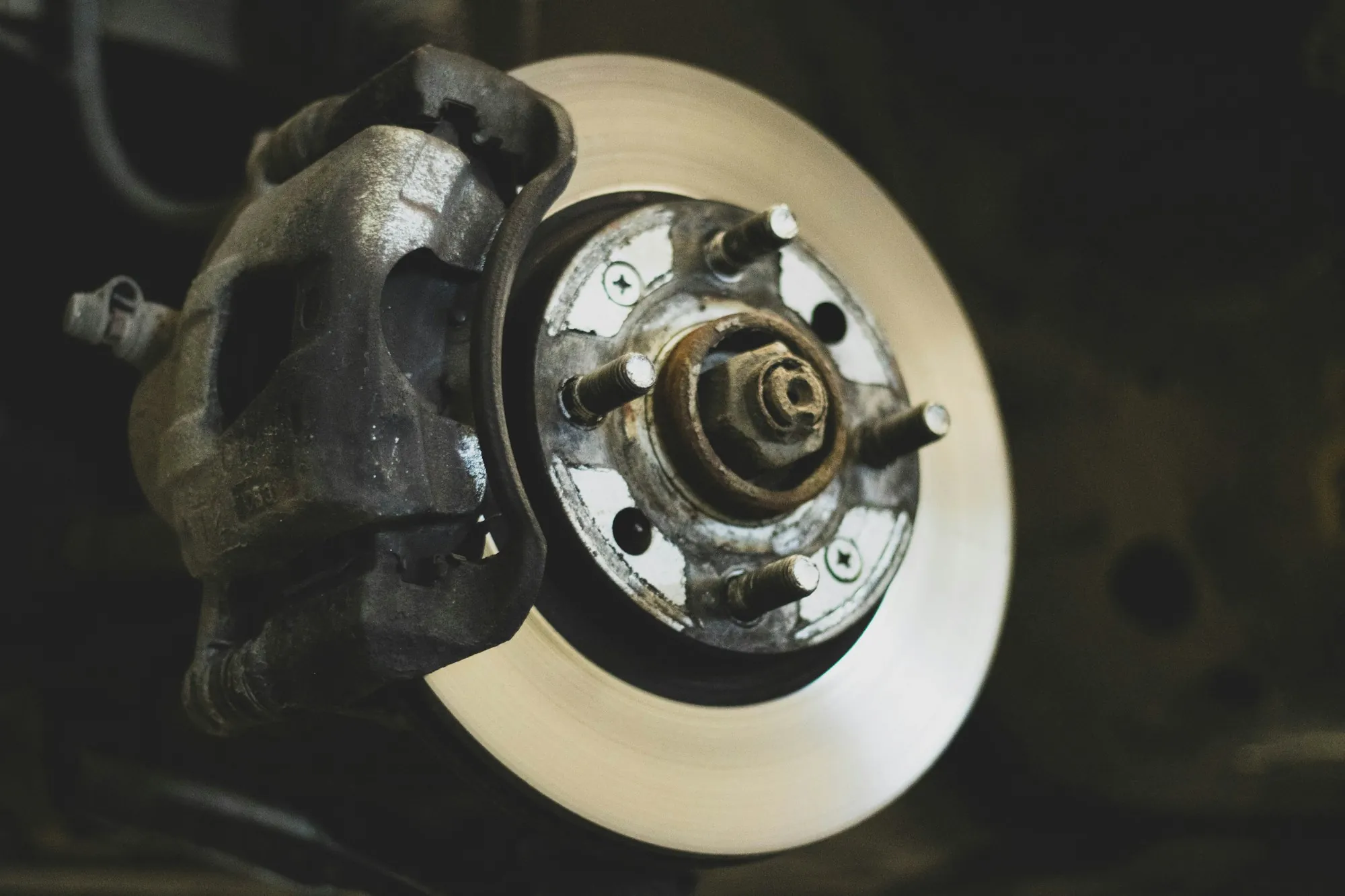
Brakes
Coming down from Berthoud Pass or the I-70 grades puts real heat into your brakes. Have them checked on a free walk-around and fix only what is actually worn.
Get my brakes looked at — (303) 997-2698Usually the wear indicator telling you the pads are getting thin.
The pads are gone and metal is cutting into the rotor. Book soon.
Air, a leak or fluid that has absorbed moisture.
A caliper sticking on one side.
Rotors with uneven surfaces, often from heat on long descents.
The walk-around tells us which axle needs attention and how much life is left in the rest. The quote then covers exactly that: pads only where the rotors are healthy, rotors where they are below their minimum, and calipers or hoses only if they have failed.
Mountain driving is hard on brake fluid. It absorbs moisture over time, and on a long descent that moisture can boil, which is when the pedal goes soft. Fluid condition is tested, not guessed, and replaced only when the test says so.
After the work, new pads are bedded in on a road test so they grip evenly from the start, and the pedal feel is checked again before you collect the vehicle.
The axle that needs work, whether the rotors can stay and whether a caliper or hose has failed are the main factors. Pads alone is the smallest job; adding rotors, calipers or a fluid exchange adds parts and time. Catching wear at the squeal stage is the easiest way to keep the cost down.
Tell us which corner the noise comes from and whether it happens on every stop. If you tow or regularly drive loaded down the pass, mention that too; it helps us recommend the right pads.
Not long without a check. The squeal is an early warning. Waiting until it grinds usually adds rotors to the bill.
No. Rotors above their minimum thickness and running true can stay.
Overheated pads and fluid. Using a lower gear helps; worn or old fluid makes it worse and is worth checking.
Yes. Long descents and stop-start mountain traffic work brakes much harder than flat highway miles, so pads and fluid often need attention sooner than the average figures suggest.
Book a free walk-around and we will measure the pads and rotors at every wheel.