
Oil on the driveway
A leaking gasket or seal.
From oil changes to engine swaps, one shop for the whole vehicle · (303) 997-2698
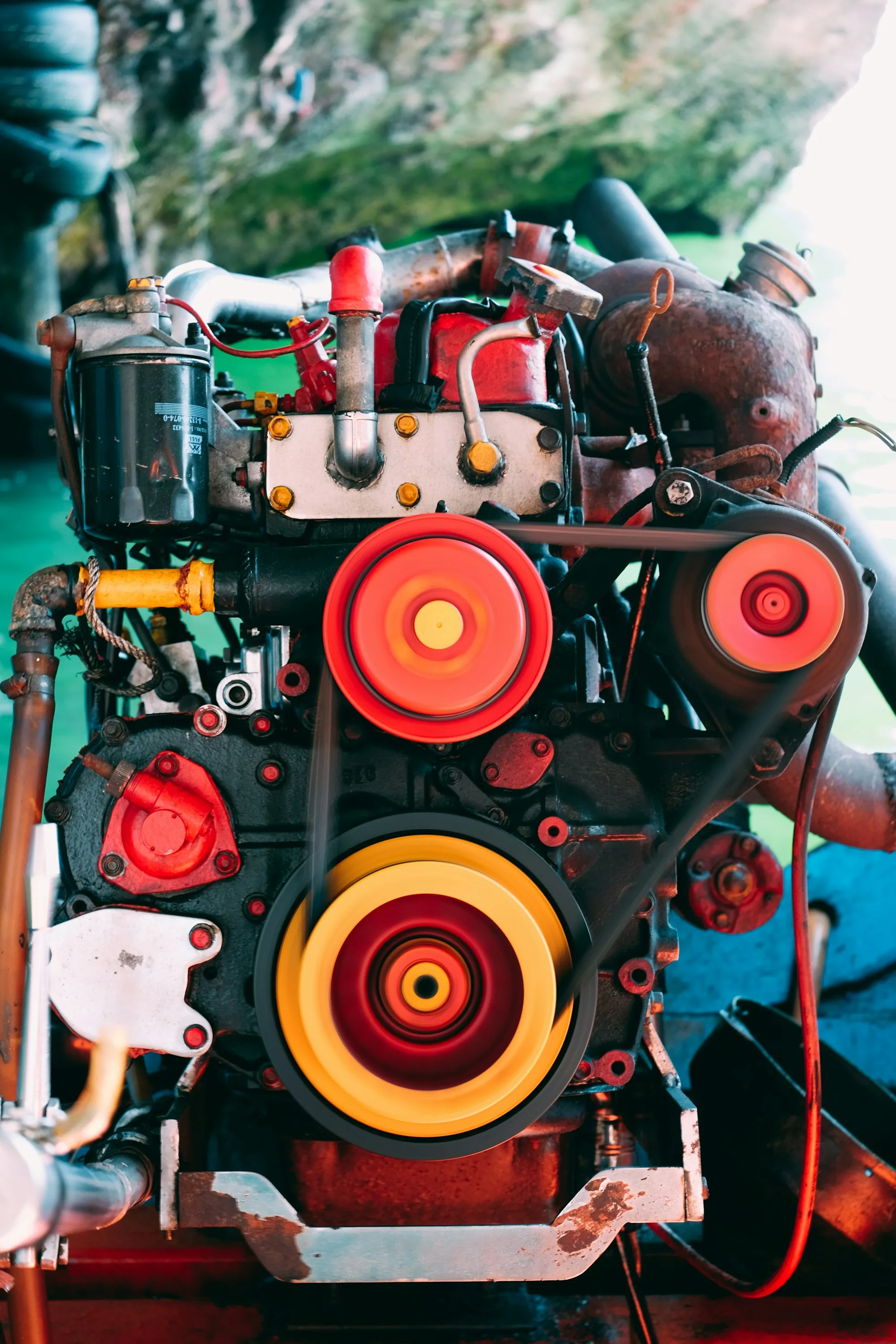
Engines
Engine trouble is stressful because the stakes are high. You get a clear diagnosis, the repair and replacement options side by side, and an honest opinion on what makes sense.
Talk about my engine — (303) 997-2698A leaking gasket or seal.
Possibly a head gasket.
Low oil or internal wear; check the dipstick.
The cooling system struggling on the grade.
Low compression or a deeper problem.
The first job is finding out how much of the engine is affected. That decides whether a gasket or seal repair will do, whether a rebuild makes sense, or whether a replacement engine is the better value.
You get each option priced, and if the rest of the vehicle makes a big engine repair a poor investment, you will hear that too.
Gaskets, seals and timing components are fitted to the manufacturer procedure, and the engine is brought up to temperature and road tested before you collect it.
The extent of the damage drives the price. External leaks and gaskets are the smaller end; internal repairs and rebuilds sit in the middle; a replacement engine depends on the unit available for your vehicle. Testing first means you are quoted for the damage that is actually there, not the worst case, and the whole vehicle is considered before you commit.
Please mention oil or coolant top-ups, smoke colour, any overheating and the mileage. If you are weighing the repair against replacing the vehicle, tell us; the advice will cover the whole vehicle and not just the engine.
Any service history you have, especially earlier head gasket, timing or cooling work, helps decide where testing starts. If the engine has been overheating, avoid driving it further until it has been checked.
Sometimes. It depends on the body, transmission and suspension, which we check as well.
A seal or gasket repair can be a day or two once parts arrive. A replacement engine depends on sourcing the right unit.
Usually. Pressure and combustion-gas tests point to it first.
No. Repeated overheating is the quickest way to turn a repairable fault into a replacement. Stop, let it cool down fully, check the coolant level only once it is cold, and call us before driving any further.
Call with the symptoms and mileage. We will plan the testing and explain the options.